
Sensory processing challenges don’t just affect a child’s ability to handle sights, sounds, and touch — they can have profound effects on social and emotional development.
When a child’s sensory foundation is unstable or underdeveloped, the impact on self-regulation, social engagement, and emotional well-being can be significant.
Understanding these effects can help parents, caregivers, and teachers support children in ways that respect their unique sensory needs.

This post contains affiliate links.
Social Considerations
Children who over-register sensory input or struggle with sensory modulation often perceive the world as unpredictable and potentially overwhelming. In social situations, they may:
- Stand back and observe rather than participate, using this as a strategy to protect their nervous system. Loud noises, unexpected touches, or strong smells can feel overwhelming or painful. Allow the child to engage on their own terms.
- Experience pressure around eye contact, which society often emphasizes unnecessarily. For some children, this can feel uncomfortable or even threatening, causing them to withdraw.
- Find adult insistence on conversation or verbal responses stressful. Forcing interaction can be overwhelming. Instead, let engagement happen naturally through play or shared activities.
- Struggle with other children who may not understand personal boundaries or social cues. Allow the child to choose whom they interact with and how, respecting their need for control and comfort.
- Stand out due to voice tone, rigidity in interests or reliance on sensory anchors, which can create social challenges with peers. Gentle guidance on personal space may help, but avoid over-cueing, as this can backfire.
Educating peers and adults about sensory differences is key to creating a more accepting and inclusive social environment. Awareness and understanding from others can reduce unnecessary stress for children with sensory processing challenges.
Emotional Considerations
Children with sensory differences often experience emotions more intensely due to a reactive limbic system and heightened awareness of their environment. Some key points include:
- Sensory kids co-regulate with those around them, meaning they may absorb stress, frustration or tension from adults more than neurotypical children.
- A strong need to succeed and fear of failure can heighten emotional responses.
- Predictability and routine are critical; sudden changes or unexpected stimuli can trigger anxiety or upset.
- Over-registration of sensory input can lead to rapid emotional shifts and heightened reactivity.
- Under-registration of sensory input may result in a “flat affect,” difficulty reading others’ emotions, or appearing emotionally detached.
- Quick transitions between emotions – crying one moment, smiling the next or abruptly needing to escape — are common and often linked to sensory modulation difficulties.
Imagine living in a world that constantly feels uncomfortable or overwhelming. Emotional fatigue is a natural response.
Sensory processing challenges create this reality for children, making empathy, patience, and understanding essential.

Key Takeaways for Parents and Caregivers
Sensory processing challenges have a direct impact on social and emotional development. Supporting children effectively requires:
- Respecting their sensory differences and allowing engagement on their terms.
- Creating safe, predictable and low-stress environments.
- Advocating for understanding and awareness among peers, teachers and community members.
- Providing consistent sensory support to improve self-regulation and reduce social or emotional stress.
By understanding the social and emotional effects of sensory processing challenges, adults can help children navigate the world with confidence, feel understood and thrive in both their interactions and emotional growth.
Quick Tips for Supporting Social & Emotional Development in Sensory Kids
1. Respect Their Comfort Zone
- Let your child engage socially at their own pace.
- Avoid forcing eye contact, conversations, or participation in group activities.
- Observe and follow their lead in play or social interaction.
2. Create Predictable Environments
- Keep routines consistent to reduce anxiety.
- Prepare your child for changes in advance, using visual schedules or verbal cues.
- Limit sudden sensory surprises when possible (e.g., loud noises, crowded spaces).
3. Support Emotional Regulation
- Teach simple self-regulation strategies like deep breathing, gentle movement breaks, or quiet time.
- Use calm, reassuring language during emotional moments.
- Encourage “sensory breaks” to help the nervous system reset before or during challenging activities.
4. Adjust the Environment
- Minimize sensory triggers in social spaces (soft lighting, reduced noise, comfortable seating).
- Provide sensory-friendly tools, such as noise-canceling headphones, fidget objects or weighted blankets.
- Consider tactile-friendly clothing or soft seating options for comfort.
5. Educate Peers and Adults
- Teach classmates, friends, and caregivers about sensory differences in simple, age-appropriate ways.
- Encourage empathy, patience and understanding among peers.
- Model respectful interactions and help other adults understand the child’s unique needs.
6. Foster Positive Social Skills
- Encourage small, structured interactions with peers rather than large, overwhelming groups.
- Role-play social situations gently and use stories or games to practice cues.
- Celebrate successes, no matter how small, without pressure or judgment.
7. Recognize Emotional Signals
- Watch for signs of sensory overload: covering ears, withdrawing, or avoiding touch.
- Understand that emotional outbursts may stem from sensory stress, not misbehavior.
- Provide reassurance and a calm space for recovery when emotions spike.
8. Advocate and Observe
- Communicate regularly with teachers, therapists, and caregivers about what works best.
- Track your child’s sensory triggers, reactions and coping strategies.
- Adjust strategies as your child grows and their sensory needs evolve.
Bottom line: Social and emotional development for sensory children improves when adults provide understanding, patience and a supportive environment tailored to their needs. By observing, respecting and adapting to their sensory experiences, children can thrive socially, emotionally and academically.
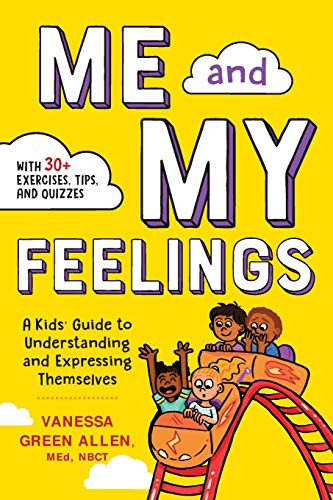
Emotions Resources
To teach children about their emotions and how to handle intense feelings:




Don't Be Shy. Leave a Reply