
ADHD treatments that work can be difficult to sort through, but a massive new review of more than 200 meta-analyses found that medication remains the most reliable treatment option for both children and adults, while cognitive behavioral therapy (CBT) also has strong evidence for adults.

This post contains affiliate links.
The Key Finding: Medication Has the Strongest Evidence
The researchers examined more than 200 meta-analyses covering a wide range of ADHD treatments, populations, and outcomes.
The clearest finding was that ADHD medications had the strongest and most reliable evidence of effectiveness for children and adults. For adults, CBT also showed meaningful benefits with relatively solid evidence.
That makes medication the most consistently supported treatment approach in this large review.
But there is an important catch.
Most of the Strong Evidence Is Short-Term
One of the biggest limitations identified by the researchers is that the strongest evidence comes from short-term clinical trials.
That’s important because many people with ADHD use treatment for much longer periods.
The review found strong evidence that certain medications work in the short term, but researchers say there is still a major gap in our understanding of their long-term benefits and harms.
So the findings don’t mean researchers have all the answers about what happens after years of treatment.
What About CBT?
For adults with ADHD, cognitive behavioral therapy was also supported by relatively strong evidence.
CBT focuses on identifying patterns of thoughts and behaviors and developing practical strategies for managing challenges.
The evidence was less convincing for CBT in children and adolescents, where the available studies had more limitations.
What About Exercise and Mindfulness?
The review also looked at approaches that are frequently discussed as ADHD treatments, including exercise, mindfulness, and acupuncture.
Some showed signs of potential benefit.
However, the researchers described the evidence for these approaches as generally lower quality, with studies often involving small numbers of participants or having a higher risk of bias.
That distinction matters.
A treatment showing a possible benefit is not the same as having strong evidence that it works.
Mindfulness Had an Interesting Finding
Mindfulness stood out in one area.
It was the only intervention to show large benefits at extended follow-up in the review. However, the researchers emphasized that the evidence base was limited, so this finding needs more research before firm conclusions can be drawn.

Why This Review Matters
ADHD treatment information can be confusing.
Families may hear about medication, behavioral strategies, supplements, exercise, mindfulness, neurofeedback, dietary changes, and many other approaches.
The researchers wanted to make it easier to distinguish between treatments with strong evidence and those where the evidence is still uncertain.
To help with that, the team created a publicly available interactive platform that allows people with ADHD and clinicians to explore the evidence behind different interventions.
What Does This Mean for Parents?
The review doesn’t say that every child with ADHD should receive the same treatment.
Instead, it provides a clearer picture of where the strongest research evidence currently exists.
For children and adolescents, medication had the strongest evidence among the treatments examined. Other approaches may still have value, but the quality of evidence varies considerably.
Treatment decisions should still be individualized and made with a qualified healthcare professional.
The Bottom Line
The biggest takeaway from this massive review is that ADHD medications remain the most consistently supported treatment for children and adults, while CBT also has strong evidence for adults.
At the same time, researchers found a major gap: we know much more about short-term treatment effects than long-term outcomes.
The review provides a valuable reminder to look past treatment hype and ask a simple question: How strong is the evidence?
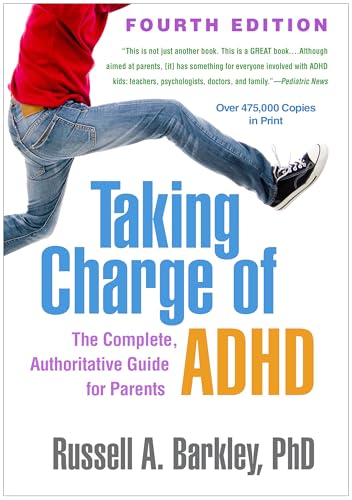
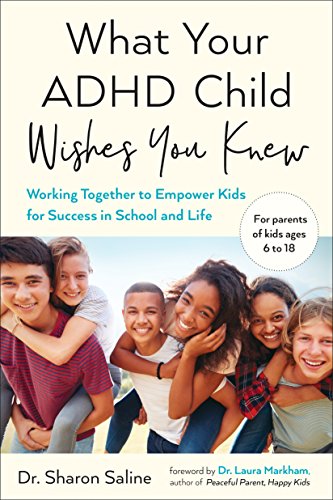
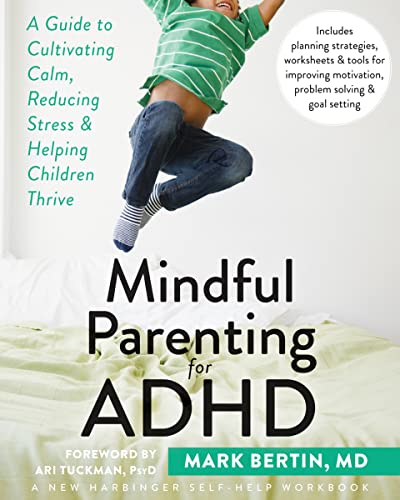
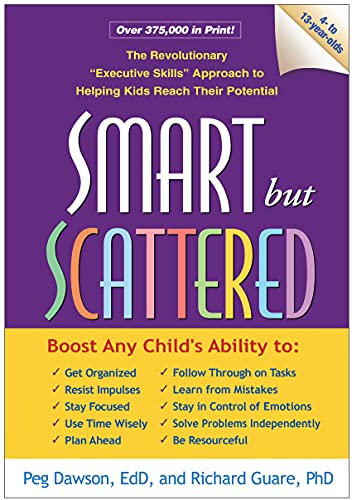
Taking Charge of ADHD: The Complete, Authoritative Guide for Parents What Your ADHD Child Wishes You Knew: Working Together to Empower Kids for Success in School and LifeMindful Parenting for ADHD: A Guide to Cultivating Calm, Reducing Stress, and Helping Children ThriveSmart but Scattered: The Revolutionary
Study: Gosling, C. J., et al. “Benefits and harms of ADHD interventions: umbrella review and platform for shared decision making.” The BMJ, 2025;391. DOI: 10.1136/bmj-2025-085875.
Don't Be Shy. Leave a Reply