
Having an SPD kid can really test your patience. On so many boards I see parents who are feeling bad for yelling at their kids… but we’re all human and sometimes don’t have the reserves left.
In the middle of tantrums, power struggles, sensory overload, and stressful parenting moments, it is easy to react from frustration, fear, or exhaustion. But one parenting mindset continues to resonate with families looking for a calmer, more connected approach: choose love.
Choosing love does not mean ignoring behavior, avoiding boundaries, or letting children “get away” with things. It means responding with connection, regulation, and compassion first — even when emotions are high.

This post contains affiliate links.
What Does “Choose Love” Mean in Parenting?
Choosing love means pausing before reacting and remembering that behavior is communication. Instead of immediately focusing on punishment or control, parents try to understand what is happening underneath the behavior.
Children often act out when they feel:
- Overwhelmed
- Disconnected
- Dysregulated
- Tired or overstimulated
- Anxious or misunderstood
When parents respond calmly and stay emotionally connected, children feel safer and more supported while learning how to regulate themselves over time.
Why Staying Calm Matters
Children borrow regulation from the adults around them. When parents escalate emotionally, children’s nervous systems often become even more overwhelmed.
Staying calm helps:
- Reduce emotional intensity
- Prevent power struggles
- Build trust and connection
- Teach emotional regulation skills
- Create emotional safety
This does not mean parents never feel frustrated. It means learning to pause before reacting so those feelings are not projected onto the child.
Choosing Love During Difficult Moments
In stressful parenting moments, choosing love may look like:
- Taking a breath before responding
- Lowering your voice instead of raising it
- Acknowledging your child’s feelings
- Setting limits calmly and clearly
- Staying physically close during meltdowns
- Focusing on connection before correction
Children are far more likely to cooperate when they feel understood and emotionally safe.
The Connection Between Sensory Processing and Behavior
For children with sensory processing challenges, ADHD, autism, or anxiety, emotional outbursts are often connected to nervous system overload rather than intentional defiance.
A child who is dysregulated may struggle with:
- Transitions
- Loud environments
- Emotional flexibility
- Attention and impulse control
- Managing frustration
Choosing love in these moments means recognizing that the child’s nervous system may need support before they are capable of problem-solving or following directions.
Why Parents Get Triggered Too
Parenting often activates our own stress responses, especially during conflict or emotional intensity. Many adults react strongly because a child’s behavior unconsciously triggers feelings from their own childhood experiences.
That is why self-regulation is such an important parenting skill. When parents learn to manage their own emotions first, they model the exact regulation skills children are still developing.

Love and Boundaries Can Exist Together
Choosing love does not mean permissive parenting. Children still need structure, limits, and guidance.
The difference is that boundaries are delivered with calmness and empathy instead of shame, fear, or punishment.
For example:
- “I won’t let you hit.”
- “You’re really upset right now. I’m here with you.”
- “It’s okay to feel angry. It’s not okay to throw things.”
This approach teaches children that all feelings are acceptable, even when certain behaviors are not.
Small Ways to Practice Choosing Love Daily
You do not need to become a perfect parent overnight. Small shifts make a big difference over time.
Try:
- Pausing before reacting
- Spending a few minutes connecting daily
- Repairing after difficult moments
- Using fewer words during meltdowns
- Focusing on emotional safety first
Connection helps children feel secure, and secure children are better able to regulate, cooperate, and grow.
The Bottom Line
Choosing love is not about being permissive or ignoring challenges. It is about responding in ways that support connection, regulation, and long-term emotional health.
Children learn emotional regulation from the relationships around them. When parents lead with calmness, empathy, and connection, they create the safety children need to grow through difficult moments instead of feeling alone inside them.
To learn more about parenting an angry child:
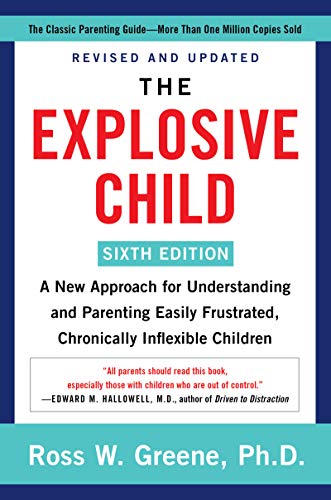
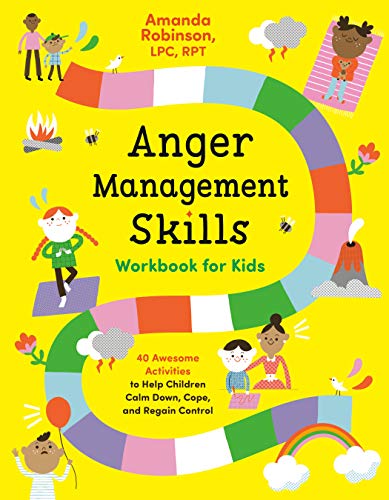
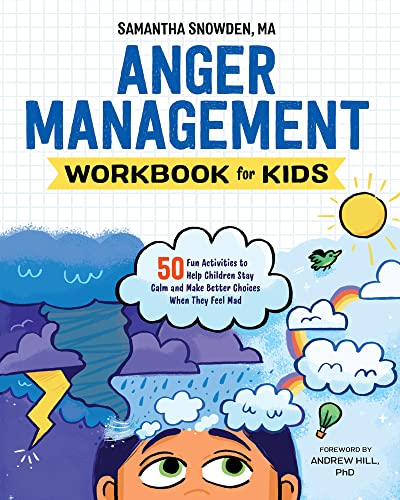
The Explosive Child Anger Management Skills Workbook for Kids: 40 Awesome Activities to Help Children Calm Down, Cope, and Regain ControlCalming Angry Kids: Help and Hope for Parents in the WhirlwindAnger Management Workbook for Kids: 50 Fun Activities to Help Children Stay Calm and Make Better Choices When They Feel Mad

Don't Be Shy. Leave a Reply