
Emotion regulation and ADHD in children can be closely connected, especially when big emotions are difficult to manage.
Big emotions are a normal part of childhood, but children develop the ability to manage those emotions at different rates.
New research suggests that children who have more difficulty regulating their emotions in the preschool years—and whose emotion regulation improves more slowly — may have higher levels of ADHD symptoms, emotional difficulties, and conduct problems by age 7.
The findings offer parents an important reminder: learning to manage emotions is a developmental process, and some children may need more support along the way.

What Is Emotion Regulation?
Emotion regulation is the ability to monitor, manage, and adjust emotional reactions.
Young children are still developing these skills. A preschooler may have a huge reaction to a small disappointment, become extremely excited, or have trouble calming down after becoming upset.
Over time, children generally become better at managing these emotional reactions.
But children don’t all develop these skills at the same pace.
The researchers were interested in whether differences in this developmental process could be connected with later ADHD symptoms and other childhood difficulties.
What Did the Study Look At?
Researchers Aja Louise Murray, Amanda Russell, and Francisco Antonio Calderón Alfaro used information from the UK Millennium Cohort Study, a large longitudinal study that follows children over time.
For this research, they examined children’s emotion dysregulation at ages 3, 5, and 7 and then looked at ADHD symptoms, internalizing problems, and conduct problems at age 7. The analysis included 7,190 girls and 7,457 boys who had the necessary data available.
Because the researchers followed children over several years, they could look not only at how much difficulty children had with emotion regulation, but also at how those difficulties changed as the children grew.

What Did Researchers Find?
The researchers found two important patterns.
Higher Emotion Dysregulation at Age 3
Children who had higher levels of emotion dysregulation at the beginning of the study tended to have higher levels of:
- ADHD symptoms
- Internalizing problems
- Conduct problems
Slower Improvement Over Time
The researchers also found that children whose emotion dysregulation decreased more slowly between ages 3 and 7 tended to have higher levels of ADHD symptoms, internalizing problems, and conduct problems at age 7.
This finding is particularly interesting because children generally become better at regulating their emotions as they grow.
The researchers found that children who showed less improvement in emotion regulation over this period had higher levels of the difficulties they examined at age 7.
The Findings Were Similar for Boys and Girls
The associations were found in both male and female children.
That is important because researchers specifically considered whether differences between boys and girls might affect the relationship between emotion regulation development and later symptoms.
The associations between emotion dysregulation trajectories and ADHD symptoms, internalizing problems, and conduct problems remained significant in both groups.
What Are Internalizing Problems?
The study looked at three broad areas of difficulty at age 7.
ADHD symptoms included behaviors related to hyperactivity and inattention.
Conduct problems included behaviors such as temper tantrums, fighting or bullying, lying or cheating, and stealing.
Internalizing problems were measured using emotional-problem items from the Strengths and Difficulties Questionnaire.
The researchers found that emotion dysregulation trajectories were associated with all three areas.
Does This Mean Difficulty Regulating Emotions Causes ADHD?
No.
This is an important distinction.
The study found an association between children’s emotion regulation development and later ADHD symptoms and other difficulties. It does not establish that emotion dysregulation causes ADHD.
The researchers describe emotion dysregulation as a possible transdiagnostic marker—meaning it may provide information about risk across several different types of childhood mental health and neurodevelopmental difficulties.
There may be many factors involved in how a child’s emotional and behavioral development unfolds.
Why Preschool Development Matters
The preschool years are an important period for developing emotional skills.
The researchers found that emotion dysregulation generally decreased between ages 3 and 7 in the children included in the study, consistent with the idea that emotion regulation skills strengthen during childhood.
But the pace of that development varied.
For some children, emotional regulation skills may develop more slowly than expected. The researchers suggest that paying attention to these developmental patterns could potentially help identify children who may benefit from additional support.
What Might Emotion Dysregulation Look Like?
Emotion dysregulation can involve emotional reactions that are especially intense, happen quickly, or last longer than expected for the situation and developmental stage.
It can involve negative emotions such as anger or distress.
It can also involve positive emotions. The researchers note that excessive excitement or exuberance can also create difficulties, including problems with peers.
So emotion regulation isn’t simply about teaching a child to “stop being angry.”
It involves helping children gradually learn how to manage a range of emotional experiences.
What Does This Mean for Parents?
One of the most useful messages from this research is that emotion regulation develops over time.
If your preschooler has intense emotional reactions, that doesn’t automatically mean they will develop ADHD, anxiety, conduct problems, or another mental health condition.
At the same time, persistent difficulties with emotional regulation are worth paying attention to—particularly when they seem significantly different from what you typically see in other children of the same developmental stage or when they interfere with everyday life.
Rather than focusing only on the behavior itself, parents can also think about the skills their child is still developing.
Supporting Emotional Regulation
The researchers suggest that supporting the development of emotion regulation skills during this period could be a promising target for prevention.
At home, parents can support children as they practice these skills in everyday situations.
Name Emotions
Help your child put words to what they are experiencing.
“You’re frustrated because the game ended” gives a child language for an experience that may otherwise feel overwhelming.
Practice When Your Child Is Calm
Learning emotional regulation is difficult in the middle of a major meltdown.
Practice calming and coping strategies during ordinary moments so your child has opportunities to become familiar with them.
Help Your Child Notice Patterns
You may begin to see situations that consistently lead to particularly strong reactions.
Recognizing those patterns can help you understand what your child may need before emotions become overwhelming.
Give Skills Time to Develop
Young children aren’t expected to have adult-level emotional regulation.
They are still learning how to recognize emotions, communicate their needs, tolerate frustration, and recover after becoming upset.
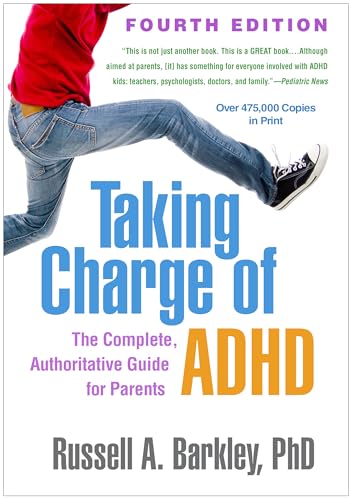
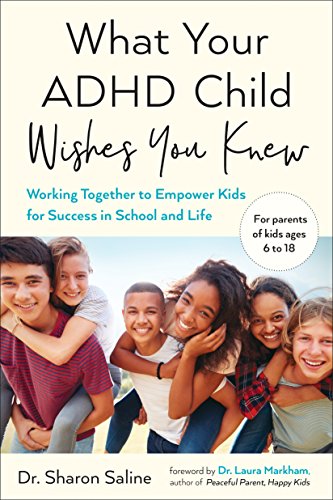
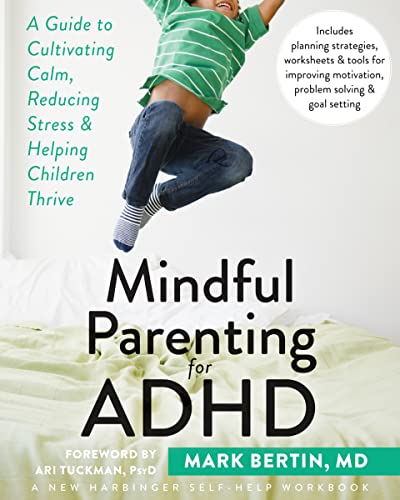
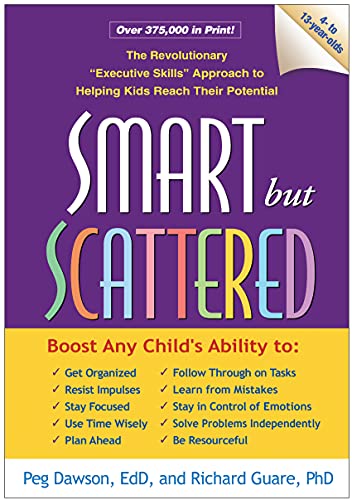
Taking Charge of ADHD: The Complete, Authoritative Guide for Parents What Your ADHD Child Wishes You Knew: Working Together to Empower Kids for Success in School and LifeMindful Parenting for ADHD: A Guide to Cultivating Calm, Reducing Stress, and Helping Children ThriveSmart but Scattered: The Revolutionary
When Should Parents Seek Extra Support?
This study isn’t designed to tell parents when a child should receive an evaluation.
However, if your child’s emotional or behavioral difficulties are persistent, intense, or interfering with home, school, relationships, or everyday activities, it can be reasonable to discuss your concerns with a pediatrician or another qualified professional.
A professional can consider your child’s overall development rather than looking at emotion regulation in isolation.
The Bigger Picture
One of the most interesting aspects of this research is that the trajectory mattered.
Researchers weren’t simply asking whether a child struggled with emotions at one particular age. They looked at how emotion dysregulation changed from ages 3 to 7.
Children who started with higher levels of emotion dysregulation and children whose difficulties decreased more slowly had higher levels of ADHD symptoms, internalizing problems, and conduct problems at age 7.
That suggests that watching how skills develop over time may provide more information than looking at a single moment in childhood.
Final Thoughts
Every child develops emotional regulation skills at their own pace. This study suggests that higher early emotion dysregulation and slower improvement between ages 3 and 7 are associated with higher levels of ADHD symptoms, internalizing problems, and conduct problems at age 7.
That doesn’t mean a child who has frequent tantrums or big emotions will develop ADHD or another condition.
Instead, the research highlights the value of paying attention to developmental patterns and supporting children as they build the skills they need to understand and manage their emotions.
For parents, the takeaway is simple: big emotions are part of growing up, but emotional regulation is a skill—and skills can develop with time and support.
To read more about parenting a child with ADHD:
What Your ADHD Child Wishes You Knew: Working Together to Empower Kids for Success in School and LifeTaking Charge of ADHD: The Complete, Authoritative Guide for ParentsParenting Kids With ADHD: A Beginner’s Guide to Help your Child Self-regulate, Focus, and Understand their SuperPower.ADHD 2.0: New Science and Essential Strategies for Thriving with Distraction – from Childhood Through Adulthood


Materials provided by University of Edinburgh
Don't Be Shy. Leave a Reply