
Have you noticed that your child with ADHD is especially sensitive to sounds, textures or lights?
A recent meta-analysis led by Dr. Samuele Cortese and colleagues found that sensory processing differences are not just common — they’re often overlooked in ADHD assessments.
This isn’t about making things up! It’s about helping you understand a crucial piece of the ADHD puzzle.

About the Study
The researchers reviewed 32 published studies involving over 5,000 individuals to examine how sensory processing relates to ADHD.
They looked at reported sensitivities such as:
- Over-responsiveness (e.g., finding clothing tags unbearably scratchy or loud noises startling)
- Under-responsiveness (e.g., not noticing when hands are dirty or ignoring pain)
- Sensory seeking behaviors (e.g., needing constant movement, seeking intense sensations)
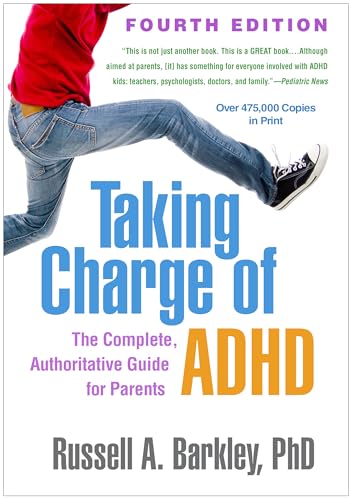
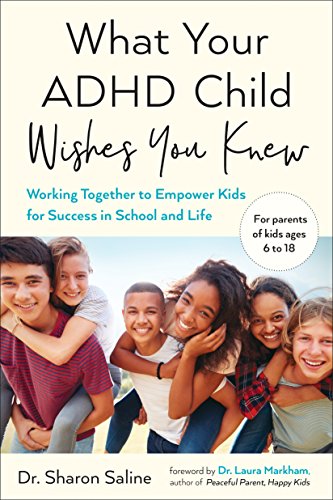
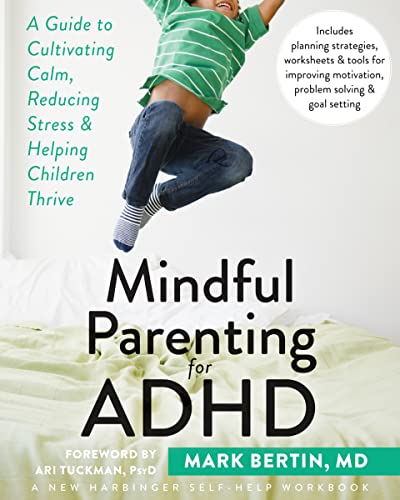
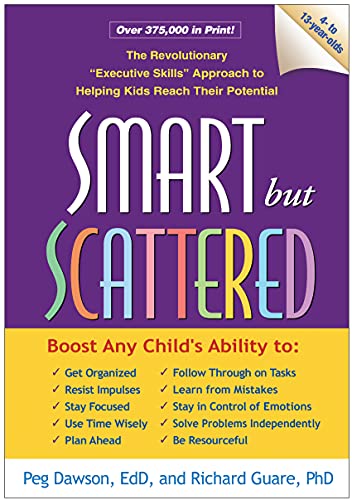
Taking Charge of ADHD: The Complete, Authoritative Guide for Parents What Your ADHD Child Wishes You Knew: Working Together to Empower Kids for Success in School and LifeMindful Parenting for ADHD: A Guide to Cultivating Calm, Reducing Stress, and Helping Children ThriveSmart but Scattered: The Revolutionary
Their goal? To understand whether these sensory traits are consistently present in people with ADHD—and they found that they are.
Key Parenting Takeaways
Here’s what the findings mean for your family:
Sensory issues are common in ADHD.
Kids with ADHD frequently experience sensory sensitivities or differences — a confirming finding from more than 5,000 cases.
All types of sensory processing can be affected.
Some children react strongly to stimulation, others barely respond, and some seek out more stimulation — many experience a mix of these traits.
Recognizing sensory cues helps with better support.
If you notice your child avoiding certain types of clothing, being bothered by noises, or repeatedly fidgeting, these could be related to sensory processing, not just behavioral issues.
The Survival Guide for Kids with ADHD (Survival Guides for Kids) Learning To Slow Down & Pay Attention: A Book for Kids About ADHDThriving with ADHD Workbook for Kids: 60 Fun Activities to Help Children Self-Regulate, Focus, and SucceedSmart but Scattered: The Revolutionary
Sensitivity should be part of ADHD evaluations.
The researchers recommend that sensory processing assessments be added to standard ADHD evaluations.

That means your doctor, psychologist or occupational therapist should ask about sensory experiences too.
Practical Tips for Parents
Observe Sensory Patterns: Keep a log of times your child seems uncomfortable, overwhelmed, or restless in sensory-rich settings.
Adjust the Environment: Dim flashing lights, offer noise-cancelling headphones, provide tag-free clothing — small changes can help a lot.
Use Sensory Tools: Things like fidget toys, weighted blankets or textured cushions can comfort sensory-seeking children.
Work With Professionals: Ask your healthcare team about occupational therapy evaluations focused on sensory issues. Early and targeted help can relieve stress on your child — and on your family.
To read more about parenting a child with ADHD:
What Your ADHD Child Wishes You Knew: Working Together to Empower Kids for Success in School and LifeTaking Charge of ADHD: The Complete, Authoritative Guide for ParentsParenting Kids With ADHD: A Beginner’s Guide to Help your Child Self-regulate, Focus, and Understand their SuperPower.ADHD 2.0: New Science and Essential Strategies for Thriving with Distraction – from Childhood Through Adulthood


For further reading about raising a child with ADHD:
Thriving with ADHD Workbook for Kids: 60 Fun Activities to Help Children Self-Regulate, Focus, and SucceedThe Kids’ Guide to Staying Awesome and In Control: Simple Stuff to Help Children Regulate their Emotions and SensesSmart but Scattered: The RevolutionaryADHD 2.0: New Science and Essential Strategies for Thriving with Distraction–from Childhood through Adulthood


You can read the full study here – https://www.jaacap.org/article/S0890-8567(25)00209-6/fulltext#
Don't Be Shy. Leave a Reply