
Children with sensory-seeking behaviors that often accompany ADHD often crave intense input — through movement, touch, sound, or pressure — to feel regulated and focused.
This can manifest as constant fidgeting, crashing into furniture or an insatiable need for motion.
While these behaviors can be challenging, structured sensory activities can help channel this energy in positive, calming ways.

This post contains affiliate links.
1. Create an “Action Room”
Designate a space in your home where your child can engage in movement activities. Incorporate equipment like swings (doorway or ceiling-mounted), mini-trampolines, or climbing structures. These tools provide vestibular input, which can help regulate the nervous system and improve focus.
2. Set Up a “Chill Space”
After active play, offer a calming area with soft lighting, cozy seating like beanbags, and soothing sensory tools. Items such as weighted blankets or lap pads can provide deep pressure input, promoting relaxation and reducing overstimulation.
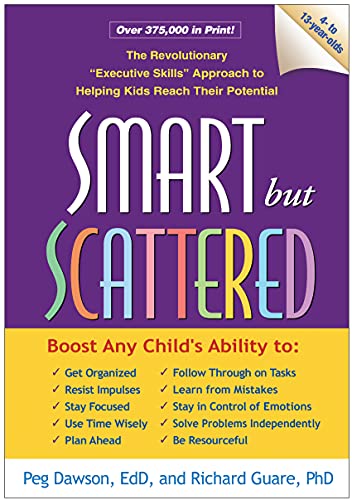
Taking Charge of ADHD: The Complete, Authoritative Guide for Parents What Your ADHD Child Wishes You Knew: Working Together to Empower Kids for Success in School and LifeMindful Parenting for ADHD: A Guide to Cultivating Calm, Reducing Stress, and Helping Children ThriveSmart but Scattered: The Revolutionary



3. Incorporate Obstacle Courses
Use household items to create an obstacle course that encourages crawling, jumping, and balancing. Activities like these provide proprioceptive input, helping children develop body awareness and self-regulation skills.
4. Engage in Ball Games
Simple games like catch or rolling a ball back and forth can improve hand-eye coordination and provide rhythmic movement, which can be calming for sensory-seeking children.
5. Prepare a Sensory Break Box
Fill a box with items like stress balls, fidget toys, or textured fabrics. Encourage your child to use these tools during transitions or when they need a break, helping them self-soothe and maintain focus.
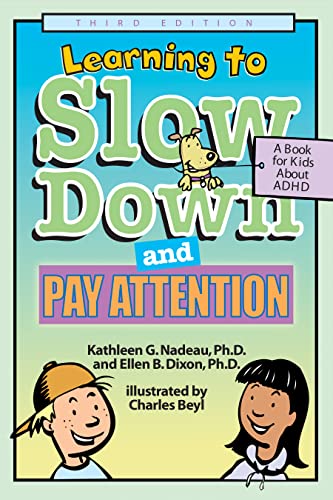
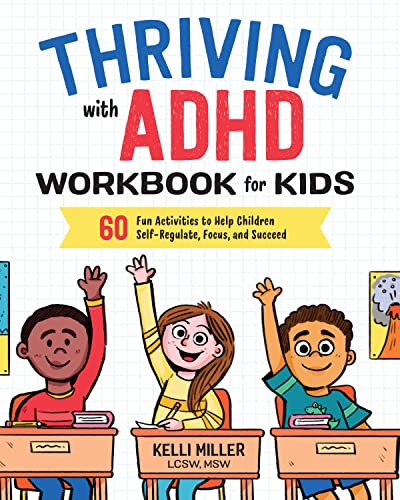
The Survival Guide for Kids with ADHD (Survival Guides for Kids) Learning To Slow Down & Pay Attention: A Book for Kids About ADHDThriving with ADHD Workbook for Kids: 60 Fun Activities to Help Children Self-Regulate, Focus, and SucceedSmart but Scattered: The Revolutionary

6. Offer Oral Sensory Input
Provide crunchy snacks like carrots or apples, or activities like blowing bubbles or using a straw. Oral input can be organizing for the nervous system and help reduce anxiety.
7. Implement Deep Pressure Activities
Activities like bear hugs, rolling up in a blanket, or using a weighted vest can provide calming deep pressure input. These strategies can help decrease sensory-seeking behaviors by fulfilling the child’s sensory needs in a structured way.
8. Use Visual Schedules
Create a visual schedule to help your child anticipate activities and transitions. Knowing what’s coming next can reduce anxiety and help them prepare for sensory experiences.
Final Thoughts
Every child is unique, and what works for one may not work for another. It’s essential to observe your child’s responses to different activities and adjust accordingly. Consulting with an occupational therapist can provide personalized strategies tailored to your child’s specific sensory needs.
By incorporating these sensory strategies into daily routines, you can help your sensory-seeking child find balance and thrive in their environment.
Recommended Reading
- Helping Hyperactive Kids – A Sensory Integration Approach
- ADHD vs SPD
- How Anxiety Leads to Disruptive Behavior
- ADHD Books for Kids To Teens
- What Does Sensory Diet Have to Do With Attent
- Special Needs Behavior Plans
- The Sensory Child Gets Organized
To read more about parenting a child with ADHD:
What Your ADHD Child Wishes You Knew: Working Together to Empower Kids for Success in School and LifeTaking Charge of ADHD: The Complete, Authoritative Guide for ParentsParenting Kids With ADHD: A Beginner’s Guide to Help your Child Self-regulate, Focus, and Understand their SuperPower.ADHD 2.0: New Science and Essential Strategies for Thriving with Distraction – from Childhood Through Adulthood



Don't Be Shy. Leave a Reply