
Many parents have told their child to “sit still” while doing homework or paying attention in class. But if your child has ADHD, that constant movement might actually serve a purpose.
Research highlighted by UC Davis Health suggests that fidgeting — the small movements like tapping a foot, bouncing a leg or playing with an object — may help some people with ADHD stay focused during challenging tasks.

Understanding why this happens can help parents rethink how movement fits into learning and attention.
Why People With ADHD Often Fidget
Fidgeting is extremely common in people with ADHD. Instead of simply being a distraction, researchers are exploring the possibility that movement may help the brain regulate attention.
Studies from researchers at the UC Davis MIND Institute have found that fidgeting can help both young people and adults with ADHD focus on tasks.
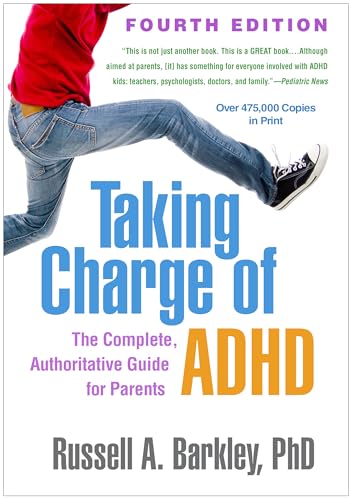
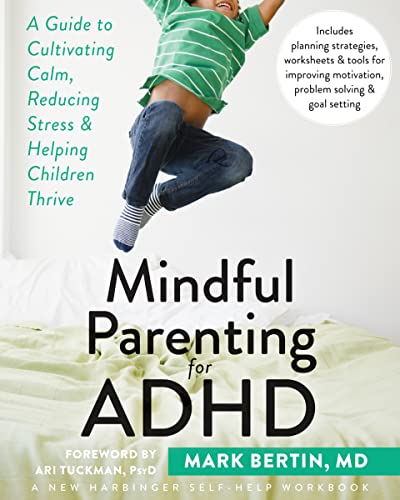
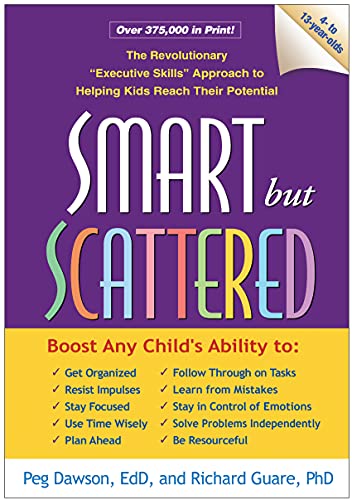
Taking Charge of ADHD: The Complete, Authoritative Guide for Parents What Your ADHD Child Wishes You Knew: Working Together to Empower Kids for Success in School and LifeMindful Parenting for ADHD: A Guide to Cultivating Calm, Reducing Stress, and Helping Children ThriveSmart but Scattered: The Revolutionary

In other words, that leg bouncing or chair shifting may not mean a child is losing focus — it may actually be helping them maintain it.
What the Research Suggests
Research examining movement and attention has found a link between fidgeting and improved focus in people with ADHD.
One analysis showed that natural, or “intrinsic,” fidgeting was associated with better attention during tasks.
Other studies examining movement patterns during attention tasks found that more fidgeting sometimes occurred during correct responses, suggesting movement may play a role in helping sustain attention.

Researchers believe movement may help regulate alertness levels in the brain. For people with ADHD, small physical movements may help maintain the level of stimulation needed to stay engaged with a task.
What This Means for Parents
These findings can shift the way parents think about fidgeting.
Instead of seeing all movement as disruptive, it may help to recognize that:
- Some children focus better when they can move slightly.
- Small movements may help keep the brain alert during tasks that require concentration.
- Trying to eliminate all movement may sometimes make focusing harder for kids with ADHD.
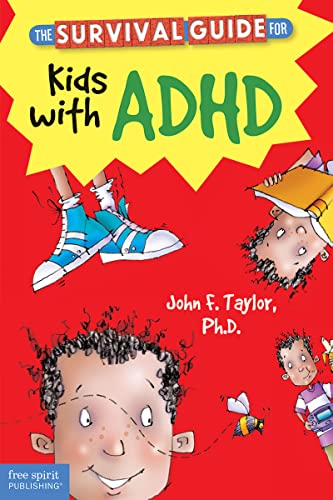
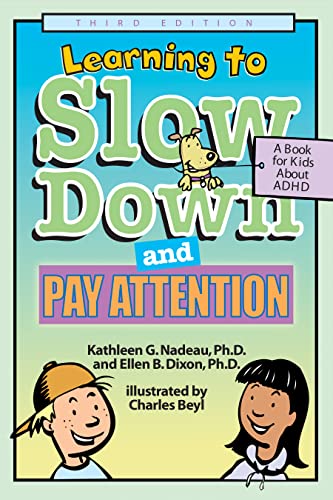
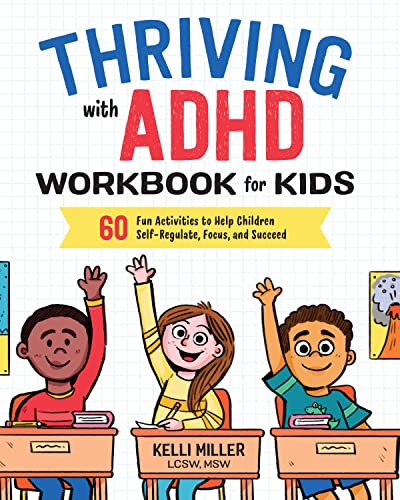
The Survival Guide for Kids with ADHD (Survival Guides for Kids) Learning To Slow Down & Pay Attention: A Book for Kids About ADHDThriving with ADHD Workbook for Kids: 60 Fun Activities to Help Children Self-Regulate, Focus, and SucceedSmart but Scattered: The Revolutionary
Of course, not all movement is helpful. If fidgeting becomes disruptive or interferes with learning, it may be helpful to work with teachers or professionals to find appropriate strategies.
Supporting Focus in Kids Who Need Movement
If your child seems to focus better when they move, you might consider:
- Allowing small, quiet movements during homework time
- Offering objects they can manipulate with their hands
- Building short movement breaks into study sessions
- Talking with teachers about movement-friendly learning strategies
The goal isn’t to encourage distraction — it’s to help the brain stay engaged.
Final Thoughts
Fidgeting has long been viewed as a sign of inattention. But research is helping experts understand that for people with ADHD, movement may actually support focus. By recognizing that the body and brain often work together, parents and educators can better support children who learn differently.
Sometimes, a little movement may be exactly what the brain needs to stay on track.
Don't Be Shy. Leave a Reply